
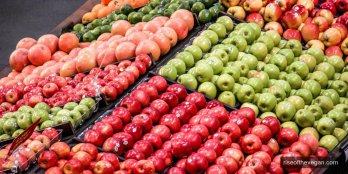
Photo: GregReese on Pixabay.
Study of 57,000 Supermarket Products Finds Meat, Fish and Cheese Have the Highest Environmental Impact
Many meat alternatives had a fifth to less than a tenth of the impact of the meat products they replace
Meat, fish and cheese products have the highest environmental impact on supermarket shelves, while fruit, bread and many plant foods have among the lowest, according to a study that scores tens of thousands of everyday products with, for the first time, a transparent and reproducible method. Many meat alternatives had a fifth to less than a tenth of the impact of the meat products they replace.
Dr. Michael Clark and colleagues at the University of Oxford estimated the footprints of 57,000 food and drink products sold in the UK and Ireland, using ingredient lists to work out each recipe and scoring emissions, land use, water stress and water pollution. The study is published in PNAS.
More nutritious products were often more sustainable too, though there are exceptions such as sugary drinks, which have low impact but poor nutrition. Foods that shoppers see as interchangeable can have very different footprints, and the team says sharing this information with shoppers and retailers may help shift buying toward more sustainable foods.
By estimating the environmental impact of food and drink products in a standardised way we have taken a significant first step towards providing information that could enable informed decision-making.
That is Dr. Clark, speaking in the Oxford Martin School release.
It adds detail to the Oxford finding that even the greenest meat and dairy are beaten by plant foods, and to the study showing the healthiest foods are also best for the planet.
Next time you shop, the plant-based sausage is the planet's pick.
Subscribe!

Love this content?
Receive our awesome newsletter straight to your Inbox!
More articles you may enjoy















Love this content?
Receive our awesome newsletter straight to your Inbox!











Comments