
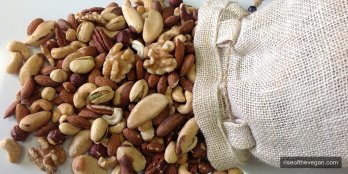
Photo: Hedi Aghlara via Wikimedia Commons, CC BY-SA 3.0, cropped. This adapted image is also licensed CC BY-SA 3.0.
Processed Red Meat Linked to 13% Higher Dementia Risk; Swapping It for Nuts and Legumes to 19% Lower
Harvard study of 133,771 people followed for up to 43 years
Eating just a quarter of a serving or more of processed red meat a day is linked to a 13% higher risk of dementia, while replacing one daily serving with nuts and legumes is linked to a 19% lower risk, a new Harvard study has found.
Researchers at the Harvard T.H. Chan School of Public Health and Brigham and Women's Hospital followed 133,771 people with an average starting age of 49 for up to 43 years in the Nurses' Health Study and Health Professionals Follow-up Study, and 11,173 developed dementia. The study is published in Neurology. Higher processed red meat intake was also linked to faster cognitive aging, about 1.6 extra years per daily serving, and to a 14% higher risk of subjective cognitive decline. The nuts and legumes swap was linked to 1.37 fewer years of cognitive aging.
Study author Dr. Dong Wang said in the American Academy of Neurology release:
Our study found processed red meat may increase the risk of cognitive decline and dementia, but the good news is that it also found that replacing it with healthier alternatives, like nuts, fish and poultry, may reduce a person's risk.
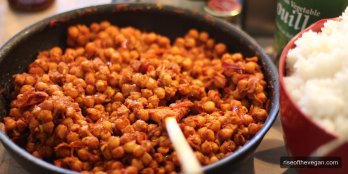
Swapping the bacon sandwich for peanut butter on toast, or the ham for hummus, is an easy start.
Back in 2017 meat was linked to nine major diseases in the largest study so far, and a healthy plant-based diet has been linked to slower cognitive decline in older African Americans.
Brains run better on beans.
Subscribe!

Love this content?
Receive our awesome newsletter straight to your Inbox!
More articles you may enjoy











Love this content?
Receive our awesome newsletter straight to your Inbox!









Comments