
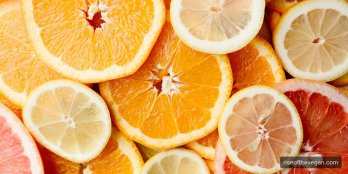
Photo: freestocks on Unsplash.
Endometriosis - can a Plant-Based Diet Help?
No diet is proven to treat it yet, but the research on red meat, citrus and period pain is worth knowing
Endometriosis affects around 190 million women of reproductive age worldwide, roughly one in ten. It can take between four and 12 years to get a diagnosis, and there is no known cure.[1]
Painkillers, hormone treatments and surgery help many women, but they don't help everyone, and hormone treatments can interfere with plans to get pregnant. So it's no surprise that so many women are asking whether what they eat could make a difference.
Let's be straight with you from the start: no diet has been proven to treat endometriosis, and no completed trial has yet tested a plant-based diet in women diagnosed with it. Two are under way, at the Physicians Committee for Responsible Medicine and UC San Diego. Anything you change on your plate should go alongside your medical care, not replace it.
But there's already enough evidence to be worth acting on. In a 2023 review in Frontiers in Nutrition, Dr. Neal Barnard and colleagues at the Physicians Committee explain why endometriosis, which is driven by estrogen and inflammation, may respond to diet. They are careful about where the science stands:
"Research on the relationship between nutrition and the risk of developing endometriosis or on the efficacy of nutritional treatments is far from complete. Nonetheless, a number of studies have raised observations that support a role for nutrition interventions."[2]
Here's what that research points to.
#1: Ditch the red meat
The Nurses' Health Study II followed 81,908 women. Those eating more than two servings of red meat a day had a 56% higher risk of endometriosis than those eating one serving a week or less.[3] An Italian study of 504 women with endometriosis and 504 without found the same pattern, with twice the odds among the biggest beef and red meat eaters.[4]
#2: Cut out trans fats
In the same group of nurses, women eating the most trans fat had a 48% higher risk than those eating the least.[5] Trans fats occur naturally in meat and milk from cows and sheep, and they turn up in some processed foods too, so check the labels.
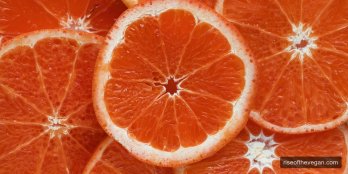
#3: Eat your citrus
Women eating at least one serving of citrus fruit a day had a 22% lower risk of endometriosis than those eating less than one a week.[6] An orange a day it is.
These studies measured who developed endometriosis, not whether changing your diet eases it once you have it. And a 2026 study of 82,084 mostly meat-eating American women found that simply eating more plant foods made no difference to the risk, though it didn't test vegan diets.[7]
#4: Try a low-fat plant-based diet for period pain
The closest thing we have to a direct test comes from period pain in general. In a crossover study of 33 women, a low-fat plant-based diet cut the length of period pain from 3.9 days to 2.7, compared with 3.6 days during the placebo phase. It also raised levels of sex-hormone binding globulin, which would be expected to reduce estrogen activity.[8] That study looked at period pain in general rather than endometriosis, so we can't say it will do the same for you, but it costs nothing to try for a couple of cycles.
#5: Ask your doctor about vitamins C and E
In a trial of 59 women with pelvic pain and a history of endometriosis or infertility, those given vitamins C and E for eight weeks saw chronic pain improve in 43% of cases.[9] It was a small study using high doses, so talk to your doctor first. Results for vitamin D have been conflicting.
What about seaweed?
Dr. Michael Greger has highlighted a remarkable case report of three women who took bladderwrack, an edible brown seaweed. Their cycles lengthened, and the two with endometriosis reported "substantial alleviation" of their pain.[10]
It's fascinating, but it's three women with no control group, and we wouldn't start buying capsules on the strength of it. Brown seaweeds can contain very high levels of iodine, which can upset your thyroid. The British Dietetic Association advises eating brown seaweed or kelp no more than once a week, especially in pregnancy.[11] If you have a thyroid condition, are pregnant or are trying to conceive, steer clear of seaweed supplements unless your doctor says otherwise.
Putting it on your plate
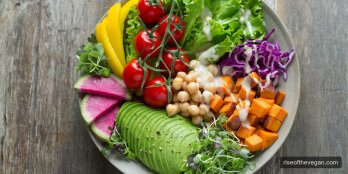
Build your meals around beans, lentils, whole grains and vegetables, keep added fats low, and have some citrus every day. Take a reliable source of B12, and keep a simple diary of your pain and periods so you and your doctor can see whether it's helping.
Plant-based eating has already been shown to cut a key inflammation marker by 32% in heart patients and reduce moderate to severe menopause hot flushes by 84%, so there's every reason to want these endometriosis trials to succeed. It's about time this disease got the research it deserves, and we'll update this article when the results come in.
If you know someone living with endometriosis, please share this with them.
This article is general information and not medical advice. Endometriosis needs proper medical care: speak to your doctor or gynecologist before making major changes to your diet, starting supplements or changing any treatment.
References
1. World Health Organization. Endometriosis fact sheet. https://www.who.int/news-room/fact-sheets/detail/endometriosis
2. Barnard ND, Holtz DN, Schmidt N, et al. Nutrition in the prevention and treatment of endometriosis: A review. Front Nutr 2023; 10: 1089891.
3. Yamamoto A, Harris HR, Vitonis AF, et al. A prospective cohort study of meat and fish consumption and endometriosis risk. Am J Obstet Gynecol 2018; 219: 178.e1-178.e10.
4. Parazzini F, Chiaffarino F, Surace M, et al. Selected food intake and risk of endometriosis. Hum Reprod 2004; 19: 1755-1759.
5. Missmer SA, Chavarro JE, Malspeis S, et al. A prospective study of dietary fat consumption and endometriosis risk. Hum Reprod 2010; 25: 1528-1535.
6. Harris HR, Eke AC, Chavarro JE, et al. Fruit and vegetable consumption and risk of endometriosis. Hum Reprod 2018; 33: 715-727.
7. Mitsunami M, Soria-Contreras DC, Harris HR, et al. Greater intake of plant-based foods is unrelated to the risk of endometriosis among predominantly omnivorous women in the United States. J Nutr 2026; 156: 101737.
8. Barnard ND, Scialli AR, Hurlock D, et al. Diet and sex-hormone binding globulin, dysmenorrhea, and premenstrual symptoms. Obstet Gynecol 2000; 95: 245-250.
9. Santanam N, Kavtaradze N, Murphy A, et al. Antioxidant supplementation reduces endometriosis-related pelvic pain in humans. Transl Res 2013; 161: 189-195.
10. Skibola CF. The effect of Fucus vesiculosus, an edible brown seaweed, upon menstrual cycle length and hormonal status in three pre-menopausal women: a case report. BMC Complement Altern Med 2004; 4: 10.
11. British Dietetic Association. Iodine: Food Fact Sheet. https://www.bda.uk.com/resource/iodine.html
Subscribe!
Love this content?
Receive our awesome newsletter straight to your Inbox!
More articles you may enjoy






Love this content?
Receive our awesome newsletter straight to your Inbox!



Comments