

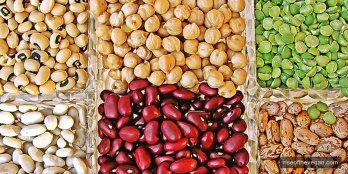
Photo: Jebulon via Wikimedia Commons, public domain.
NIH Trial: People Ate 689 Fewer Calories a Day on a Plant-Based Diet Than on Keto
Only the plant-based, low-fat diet led to significant body fat loss
People ate 689 fewer calories a day on a minimally processed, plant-based, low-fat diet than on an animal-based ketogenic diet, in a tightly controlled US government trial.
Dr. Kevin Hall and colleagues at the National Institute of Diabetes and Digestive and Kidney Diseases admitted 20 adults to the NIH Clinical Center, where they lived for four weeks. Each ate the plant-based diet (10% fat, 75% carbohydrate) for two weeks and the keto diet (76% fat, 10% carbohydrate) for two weeks, eating as much as they liked. The results are published in Nature Medicine.
Both diets led to some weight loss, but only the plant-based diet led to a significant loss of body fat. The keto diet produced lower, steadier insulin and blood sugar levels, and the trial was short. In the NIH press release, Dr. Hall said:
Despite eating food with an abundance of high glycemic carbohydrates that resulted in pronounced swings in blood glucose and insulin, people eating the plant-based, low-fat diet showed a significant reduction in calorie intake and loss of body fat, which challenges the idea that high-carb diets per se lead people to overeat.
Whole plant foods turned out to be a filling way to eat less without even trying.
It fits with November's trial in which a low-fat vegan diet cut 5.9 kg in 16 weeks, and the earlier review finding plant-based diets improve weight and metabolism.
Carbs from whole plants are back on the menu.
Subscribe!

Love this content?
Receive our awesome newsletter straight to your Inbox!
More articles you may enjoy















Love this content?
Receive our awesome newsletter straight to your Inbox!













Comments