
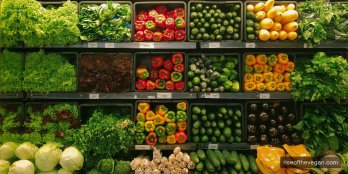
Photo: nrd on Unsplash.
Plant-Based Foods Are Taxed More Than Meat and Milk in 12 EU Countries
A new European Vegetarian Union report finds oat milk can cost up to 21% more from VAT alone, and the fix already exists
Shoppers who reach for oat milk or a plant-based burger in 12 of the European Union's 27 countries are paying a tax penalty at the checkout, according to a new report from the European Vegetarian Union (EVU) published on Tuesday, November 10, 2026.
The report, VAT rates of plant-based foods 2026: a level playing field, compares the VAT on 33 products in all 27 member states, from plant-based drinks and cheese to plant-based meat, tofu and pulses. In 12 countries at least one plant-based food is taxed more heavily than its animal-based equivalent. And in the 15 direct product pairs compared, no country taxes the plant-based option lower.
For US readers: VAT (value-added tax) works like a sales tax, except it's already included in the shelf price. Most countries charge a lower rate on everyday food, so the bracket a product lands in really matters.
Plant milks are hit most often. Soy, oat and almond drinks are taxed above cow's milk in eight member states: Austria, Croatia, Germany, Hungary, Italy, Romania, Slovakia and Spain. In Italy they pay 22% VAT against 4% for cow's milk. In Hungary, the EVU calculates, a drink priced at €1.00 before tax ends up at €1.27 while cow's milk sells for €1.05, which makes the plant-based option up to 21% more expensive from VAT alone.
Plant-based meat alternatives are taxed more than meat in five countries: Hungary, Croatia, Portugal, Slovakia and Poland. Hungary, Croatia, Italy and Portugal show the largest gaps overall. Even neighbors can't agree: the same oat drink is taxed at 6% in Belgium, 9% in the Netherlands and 19% in Germany.
Rafael Pinto, Senior Policy Manager at the EVU, says it hits those with the least to spare:
In a context where almost 40 million Europeans can't afford a high protein meal every second day, this systematic fiscal discrimination of plant-based foods conditions consumers choices even more
Here's the good news: the fix already exists. Since the 2022 reform of the EU VAT Directive, member states may apply reduced or zero rates to foodstuffs, so the gaps come down to how each country classifies its products. Fifteen member states already apply a single VAT rate to all the foods surveyed, and Czechia, Belgium and Portugal have expressly aligned the rate on plant-based drinks with cow's milk in recent years.
The EVU wants Brussels to tidy up:
We call on the European Commission to issue common guidance on how plant-based foods are classified for VAT, in line with the EU Protein Plan. We further call on the remaining twelve Member States to close the gap.
Why does it matter? Prices shape what people buy. The EVU points out that retailers that introduced price parity between plant-based and animal-based products reported sales increases of 30% or more, and fairer taxes would grow the market for the protein crops the EU Protein Plan wants European farmers to grow. As the EVU puts it, "It's only a free market and consumer choice if a level playing field exists." (vegconomist has more on recent national VAT changes.)
Price parity already works where it's been tried. Back in 2023 Lidl Germany cut the prices of its vegan range to match meat, and in January Caribou Coffee ditched its dairy-free milk surcharge across nearly 500 US stores. The demand is clearly there: tofu, tempeh and seitan sales jumped almost 30% in Germany and the Netherlands last year, Oatly celebrated its first full year of profit as European sales jumped 11%, and plant milk is now in over a third of UK households.
A fairer checkout for plant-based food is one stroke of the pen away.
Subscribe!

Love this content?
Receive our awesome newsletter straight to your Inbox!
More articles you may enjoy







Love this content?
Receive our awesome newsletter straight to your Inbox!






Comments