
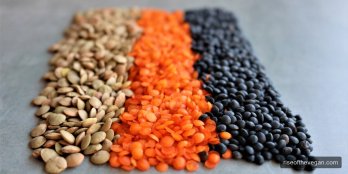
Photo: Unknown via rawpixel, public domain.
Oxford Study of 475,000 People Links Meat to Heart Disease, Diabetes and Pneumonia
Every extra 70g a day of red and processed meat was linked to 30% higher diabetes risk
Eating more red and processed meat is linked to a higher risk of heart disease, diabetes, pneumonia and several gut conditions, a University of Oxford study of nearly half a million people has found. Every extra 70g a day, roughly a burger, was linked to a 15% higher risk of ischaemic heart disease, 30% higher risk of diabetes and 31% higher risk of pneumonia.
Dr. Keren Papier and colleagues at the Nuffield Department of Population Health tracked 474,985 UK Biobank adults for an average of eight years, linking their diets to hospital records for 25 common conditions other than cancer. The results are published in BMC Medicine.
Red and processed meat was also linked to more diverticular disease (19% higher) and colon polyps (10% higher), and poultry to reflux, gastritis, gallbladder disease and diabetes. Body weight explained a substantial part of the extra risk, and meat was linked to a lower risk of iron-deficiency anemia, so plant-based eaters should keep an eye on their iron.
We have long known that unprocessed red meat and processed meat consumption is likely to be carcinogenic and this research is the first to assess the risk of 25 non-cancerous health conditions in relation to meat intake in one study.
That is lead author Dr. Papier, in Press Association coverage carried by the Irish Times.
It builds on the largest study linking meat to disease and on Oxford's estimate that red and processed meat costs the world $285 billion a year in health care.
Lentil bolognese tonight, anyone?
Subscribe!

Love this content?
Receive our awesome newsletter straight to your Inbox!
More articles you may enjoy















Love this content?
Receive our awesome newsletter straight to your Inbox!













Comments